Practicing an Attitude of Gratitude

Is the glass half empty or half full?  That rhetorical question is commonly asked to determine if you are an optimist or a pessimist.  If you responded that the glass is half empty, some would say you are a pessimist.  If you answered that the glass is half full, common opinion would indicate that you are an optimist.

Half empty or half full?

Half empty or half full?

In either case, I bring this question up in light of the Thanksgiving holiday when Americans proclaim what they are thankful for—generally around a family feast.

You don’t need to reserve your gratitude for an annual date on the calendar.  For those of us who live our lives around the 12-Steps and Recovery Principles, gratitude is a way of life.  However, it is not something we generally felt when we entered recovery.

Developing an Attitude of Gratitude

Most people start recovery far from being grateful for the situation they find themselves in.  They may walk through the door of their first meeting because they are desperate for answers to the circumstances they are experiencing in their lives.  Or maybe they are at a bottom, like I was.  Whatever the reason, gratefulness probably isn’t on the list of character traits that friends would say they have–or at least not near the top.

I was a pessimist for most of my adult life—until I entered into the recovery process.  Now at times it is hard to keep me quiet about my gratitude for recovery (specifically Celebrate Recovery), and what the Lord has done in me and through me.
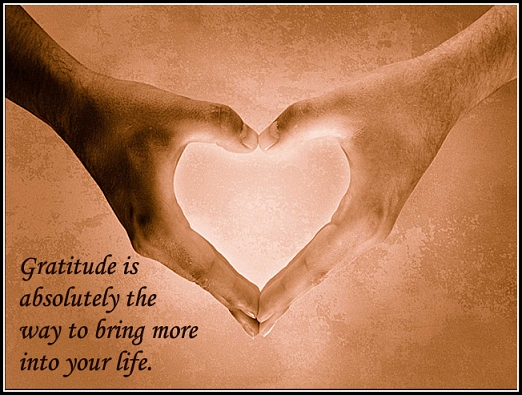
Gratitude heartYou don’t have to be in a recovery program to develop an attitude of gratitude.  The change doesn’t happen overnight.  It is a process that builds inside of us, as we consciously choose to change our thinking.  (The lesson on gratitude is taught as part of Step 11—We sought through prayer and meditation to improve our conscious contact with God, praying only for knowledge of His will for us and power to carry that out.)

Start small.  Take baby steps.  God will slowly give you glimpses into people, events, and things He has placed in your life that you can be grateful for.

The Benefits of Gratitude

Here are just some of the benefits of developing an attitude of gratitude (based on an acrostic for the word gratitude):

G-ets us out of our heads
R-eminds us of His gifts to us
A-djusts our attitude in a positive direction
T-ransforming power
I-ntegrates God’s love in our hearts
T-hankful despite our circumstances
U-tilizes our gifts for His Kingdom
D-raws others to us
E-ternal perspective
 

So it doesn’t matter if you identify yourself as a pessimist or an optimist, you can become a genuinely grateful person when you start to practice an attitude of gratitude.
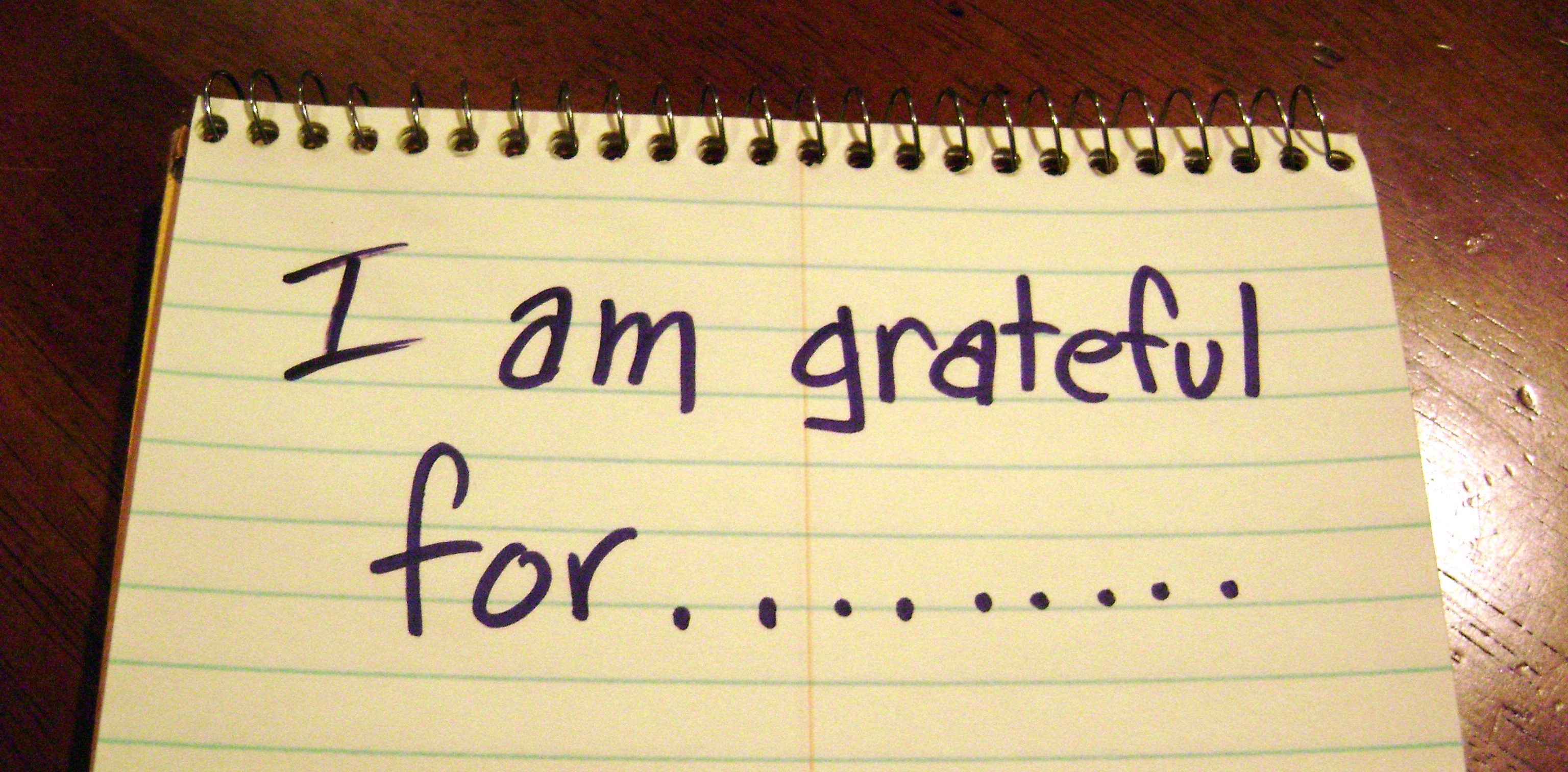
I am grateful forPracticing What I Preach

In light of that, I’d like to say that I am thankful for the followers and readers of my blog, and for each purchase of my book.  I am grateful to be able to share my writing and trust that God is using it to inspire others.

I am grateful for this season of my life—the highs and the lows.  I am grateful for my family and my circle of friends who encourage and support me.  They lift me up at times when I can’t.  I am very grateful for my Spanish family and their generous hospitality to me.  I am forever grateful to my heavenly Father, who got my attention eleven years ago, brought me to my knees, redeemed my pain, and blessed me in ways I never dreamed possible.

I hope and pray this Thanksgiving will be the first day of an ongoing commitment to develop an attitude of gratitude in your life.  You can start now by posting what you are grateful for in the comments below.  Have a blessed Thanksgiving!

Happy Thanksgiving

Hitting a Home Run for Recovery

After my second viewing of the movie “Home Run” a few days ago, I’m left thinking about the face of recovery and why so many people sit in denial about their issues.  By issues I mean unhealthy habits like hiding their hurts, medicating their pain, isolating, and trying harder to make life fit their demands.

Cory Brand, the main character of the movie, played by Scott Elrod, is one such person.  He is a major league baseball all-star who is forced to face his alcoholism after a DUI and team suspension.  In recovery circles, we call it hitting bottom.  It is not a pleasant moment in one’s life, but for those who choose recovery as a result, and work through a 12-step program, their lives are transformed.  I know because I lived through it myself.

Breaking Through the Wall of Denial

Through the use of vivid flashbacks, the movie shows the pain of Cory’s upbringing, as he lived with an alcoholic father who expected perfection from his son at an early age.  The scenes are hard to watch at times as you feel for what Cory went through (rated PG-13).  These painful reminders drive Cory to drink and lash out in anger, unwittingly repeating the generational curse of his father.

Cory is like many of us who have found recovery.   We don’t come easily or quietly.  Our denial runs deep.  What struck me in this story, was that despite his being mandated by his team to attend a 12-step program as a condition of his suspension, he doesn’t embrace it until later on in the movie.  He just goes through the motions.  His life continues to spiral out of control until he finally realizes he can’t do it on his own.  That is the point in which one really starts recovery—coming out of denial.

Why Recovery?

Step 1 of Celebrate Recovery reads:  “We admitted that we were powerless over our addictions and compulsive behaviors, that our lives had become unmanageable.”  That brings me to a misconception that is dealt with in a powerful way in the movie.  Recovery gets a bad rap because most people think that recovery is for “those” people.  You know who I mean—alcoholics, drug addicts, and people who REALLY have problems.  That is so far from the truth.  I won’t give away the story, but suffice it to say, that just because someone is a Christian or lives their life in a Godly manner doesn’t mean they’ve had it easy.  We all carry hurts inside of us, and we all have to deal with life’s problems.

Celebrate Recovery - A Christian 12-Step Program

Celebrate Recovery – A Christian 12-Step Program

Celebrate Recovery (CR) is a Christian 12-step program that helps people with their hurts, habits and hang-ups.  It’s for anyone who struggles in life.  Typical struggles that people address at CR are anger, fear, grief, guilt and shame, holding on to the past, inability to forgive, isolation, need to control, finances, eating disorders, alcohol or substance dependency, pace of life, rejection, relationship problems, sexual addiction, stress, and emotional, physical, sexual or spiritual abuse.

CR is often described as guided sanctification.  That’s just a fancy theological term for becoming the person God intends for us to be.  CR gives one tools to take responsibility for our actions, offer forgiveness to those we have hurt, forgive ourselves, learn to lean on others for help, and to give back from a grateful heart.  All this transformation comes through the power of the Holy Spirit and a relationship with Jesus that is core to this biblical program.

See the Movie for Yourself

In my opinion, “Home Run” hits a big home run for recovery.  It is a realistic view at how turning our lives over to Jesus brings about healing, wholeness and transformation.  It brings about freedom from our past and hope for the future.  In Cory’s situation, it gave him a chance to restore a broken relationship, giving him a new lease on life.

Even if recovery isn’t for you, I’m sure there is someone you know who needs a program like Celebrate Recovery.  With the end of baseball season looming, it’s the perfect time to view this movie.  “Home Run” is available on Blu-Ray/DVD, on demand, or watch it online on youtube.  To find a Celebrate Recovery program near you, click this link.  You or someone you know will be glad you did.

Home Run Movie Photo

Going Down Memory Lane

As we sat at a Seattle waterfront restaurant watching the rain, clouds and sun fight for control of the views out the window, I marveled at the thought of the 19 years that had passed between my friend and me.  We didn’t look 19 years older, but the age of our children was reality enough to ensure we were not dreaming.

A blustery day on the Seattle waterfront

A blustery day on the Seattle waterfront

Two Peas in a Pod

Mildred and I met when I re-entered the workforce one year after the birth of my first child.  We have a very strange history together.

Our work history intersects at three different employers.  I was her supervisor at two of those employers.  At one point in time, I held a former position of hers and then later she held a former position of mine.  That speaks volumes in itself.  It is a testament to her character and her work ethic.

Nineteen years later, she has a nice retirement nest egg from her employer waiting for her; and I am just now finding my career niche—my writing.  Unlike most writers I know, I don’t have a day job to fall back on.   Some might say it is a luxurious lifestyle.  For me, it is part of my self-care program.

Mildred was eager to hear all about my upcoming trip to Spain.  As if to confirm why she was such a good employee—and how very like-minded we are—she immediately suggested having my story translated into Spanish.   I agreed and told her that I negotiated the foreign rights to my story with my publisher and that Pedro had already translated the manuscript.

Does time really heal all wounds?

Does time really heal all wounds?

Wounds of the Past

We caught up on talk about our kids and our parents—being in the sandwich generation.  We naturally ended up talking about work.  Many of my former colleagues and employees had retired or moved on to other organizations.  A few remained.

As we talked about work, the memories and people’s names started to drift back to my short-term memory—people she had even long since forgotten about.   Some of my memories were of painful events, like my demotion.  Except for one brief moment, I experienced no emotional pain in discussing it though.

They say that time heals all wounds.  I’m not sure who that ‘they’ is, but that is not something you’d ever hear in recovery circles.  If you don’t look at the painful wounds of the past, you bury them alive.  They will leak out in unhealthy ways when you least expect them—like in outbursts of anger, or can lead to physical symptoms like ulcers, etc.

In my case, I worked through my character defects that brought me to my knees at the hands of my boss.  I’m grateful for it, as it pointed me down the road to recovery, and eventually to Celebrate Recovery, a Christian 12-step program.

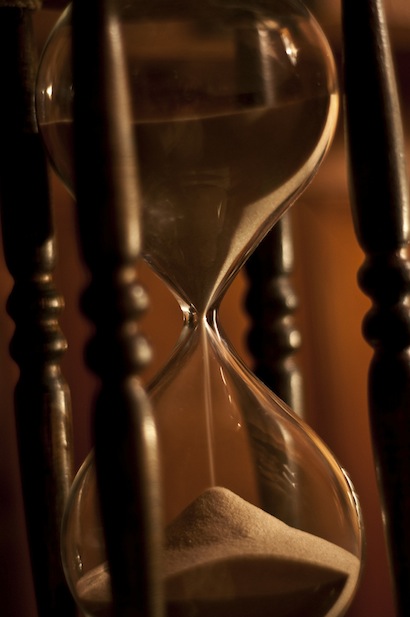
Memory LaneMoving Forward

Going down memory lane is a healthy practice—not for self-condemnation or holding on to resentments—but for healing.  The one painful memory that surfaced helped me to realize that I still have one last thing to clear up—an amends of sorts.

Even as Mildred and I reconnected we touched on the same thread between us—making sure we understood each other and to not take advantage of our friendship.  Her words served to encourage me, and likewise mine for her.

Another luncheon is over.  Another friendship is rekindled.  Another day is done.  All because of the connection my story is making in people’s hearts.

Maybe I do lead a life of luxury.  It’s not the kind of physical luxury or success that pays the bills.  It is the luxury of friendship.  That’s the best kind of riches to have.

Do you embrace opportunities to go down memory lane or avoid it like the plague?  I hope you’ll embrace it and free yourself from the pain of the past.

Suffering in the Body | By Kim Amrine | Guest Post

About 2½ years ago, a light bulb came on for me.  I was re-reading Dr. Cloud and Townsend’s book, “How People Grow.” Dr. Cloud posed a question to a group of experienced pastors, “If you had to arm your parishioners with protection from sin, how would you do it?  What do you think is the best armor you could wear?”  They had many ideas, but ultimately he pointed them to 1 Peter 4:1:  “Therefore, since Christ suffered in his body, arm yourself also with the same attitude, because whoever suffers in the body is done with sin.”(NIV)

 Caught in the Cycle

“Oh,” I said to myself, “this isn’t going to be pretty.”  I had been in relapse in my food addiction for a year or two, after some good abstinence for a few years.  I had just completed a one year healing/recovery group and learned what mother’s and father’s roles are, and what they should provide for their children.  I had stepped out of denial and started the grief process over the holes of parenting that were in my family of origin, including being the child of two alcoholic parents.

I was attending 12-step recovery meetings regularly, journaling, reaching out to others over the phone, and none of it was working.  A friend and mentor reminded me, “You are in the process of insanity—doing the same thing over and over and expecting different results.”

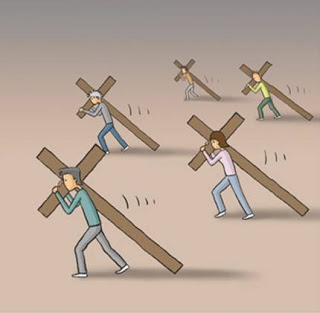
Then Jesus said to his disciples, “Whoever wants to be my disciple must deny themselves and take up their cross and follow me. Matthew 16:24 TNIV

Embracing the Pain

My relapse into food addiction and my internal pain brought me back into the therapeutic process, this time with a very seasoned and astute therapist.  It was here that I realized the only way to healing was to go through the pain.  I couldn’t minimize it, avoid it, rationalize it, or medicate it away using food.  These defenses were no longer working for me.

 The last 2 years I have been grieving a myriad of losses, deaths if you will—loss of my childhood, loss of the parents I thought I had, but didn’t, loss of many positive experiences in my marriage, loss of physical health and loss of internal peace because of my past.  I have denied, protested in anger, and cried until I thought the tears would never end. I know there are still more to come.

Letting Christ Transform Your Pain into Healing

Why do I bother doing this?  Because as one of my pastors recently said, “If we don’t let Christ transform our pain, we will transmit it.”  If I don’t enter into the healing process, my pain will either be turned inward – food addiction, depression – or transmitted and turned outward, projecting my unprocessed feelings onto those I love and care for.  My heart’s desire is to leave a positive legacy to those who enter my life and sphere of influence.

Jesus never promised an easy walk.  “In the world you will have tribulation; but be of good cheer, I have overcome the world.” John 16:33 (NKJV) Out of death and dying comes resurrection and life.  I count on Jesus and the cross he bore, (and the cross that I am bearing now) to bring me through to a resurrected life.  I know that as I continue to grieve the losses of my childhood, that there will be new life on the other side.  And I don’t mean in heaven; I mean a resurrected life here on earth.

I have already experienced some of the fruit of this process of recovery and in my faith journey.  I am just going a little deeper now.  The Lord will redeem my losses, “I will repay you for the years the locusts have eaten.” Joel 2:25 (TNIV) There will be redemption on the other side of my season of grief.  He is faithful and I can count on it.

_________________________________________________________________________________

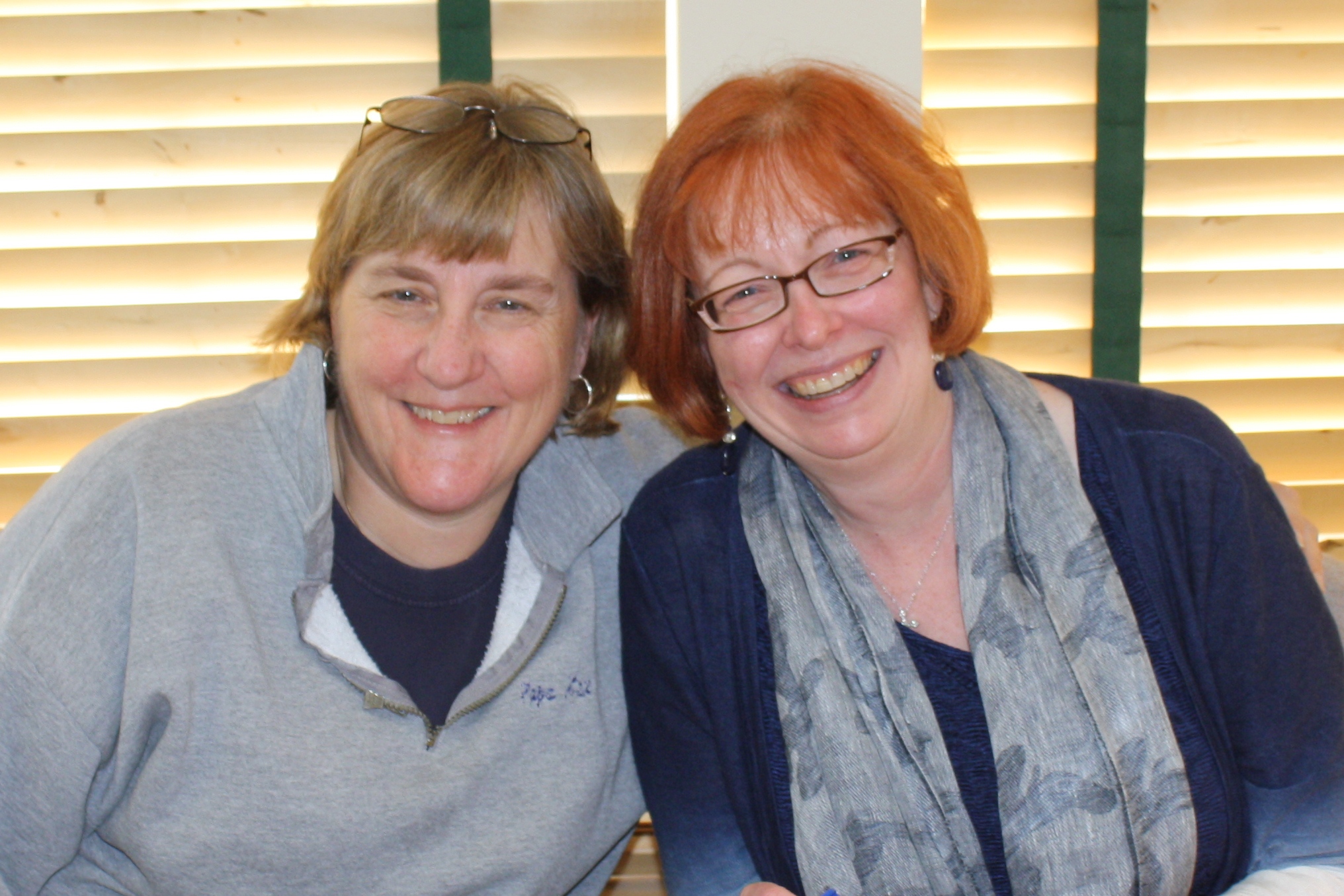
Kim & Ardis

Kim & Ardis

Kim Amrine is a grateful Believer who is passionate about healing and recovery.  She serves as Ministry Leader of Celebrate Recovery at Pine Lake Covenant Church in Sammamish, Washington, where she has led a number of groups.   Her other passions are being a wife of 37 years to Jerry, mom to two adult children, and working as a physical therapist.

_________________________________________________________________________________

Note from Ardis ~ I’ve been blessed to walk alongside Kim and witness her courageous journey of spiritual and emotional healing.  She is a true model of vulnerability and taking the risks required to break free from past hurts, habits and hang-ups.

Thank you Kim for sharing your story of perseverance.  I hope her story encourages you or someone you know to walk through the pain, to the other side, and turn healing into hope.

What Are Your Memory Stones?

As I age each year and the significance of life events seem to take on more meaning, I am gathering more and more memory stones for my journey.

What is a memory stone?  It is a Biblical reference to a type of marker—usually tangible—that we keep as a remembrance of God’s activity in our life.  One such Biblical reference is in Joshua 4:19-24, about a time in Israel’s history when God did a significant thing—he parted the Jordan River to allow the Israelites to cross into the Promised Land.  The twelve stones that were left on the other side (one for each of the twelve tribes of Israel) were left as a memorial—or spiritual marker—for future generations.

January is of course a time when people often reflect on the milestones over the previous year, make resolutions and rededicate their lives to new areas for growth.  For me, January also comes with bittersweet memories of several significant spiritual markers.

Collecting Memory Stones

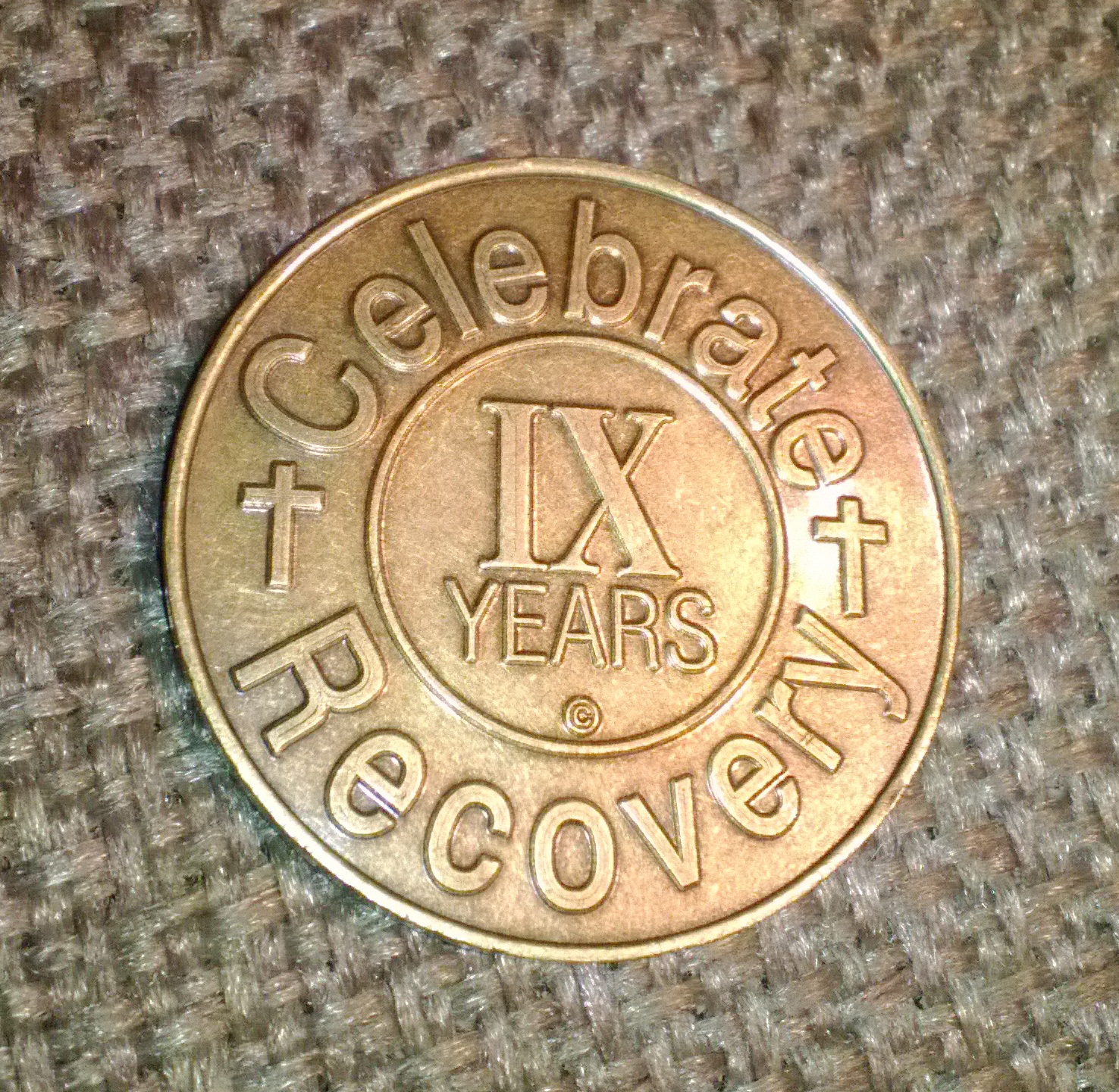
I didn’t pay any attention to these spiritual markers until my life hit a dramatic wall in January 2004.  That was when I was demoted from my job.  I am grateful for that life changing event though, as that event led me out of denial and into recovery.  Last night I celebrated that milestone by accepting a 9-year coin (memory stone) at a local Celebrate Recovery (Christian 12-step) meeting.9 year CR coin

But that is not all I celebrated as January came to an end.  I celebrated the one year anniversary of having my story, “Walking My Mother Home”, accepted by Cladach Publishing (exactly eight years to the day after my demotion).  In January I also celebrated the anniversary of the receipt of Pedro’s first song and finding out he was a composer.  I prayerfully remembered the passing of Rosa’s mother.  I celebrated a significant trip to Wisconsin five years ago that led to identity revelations as I poured through the personal effects of my late Aunt Ardis.

New Stones to Treasure

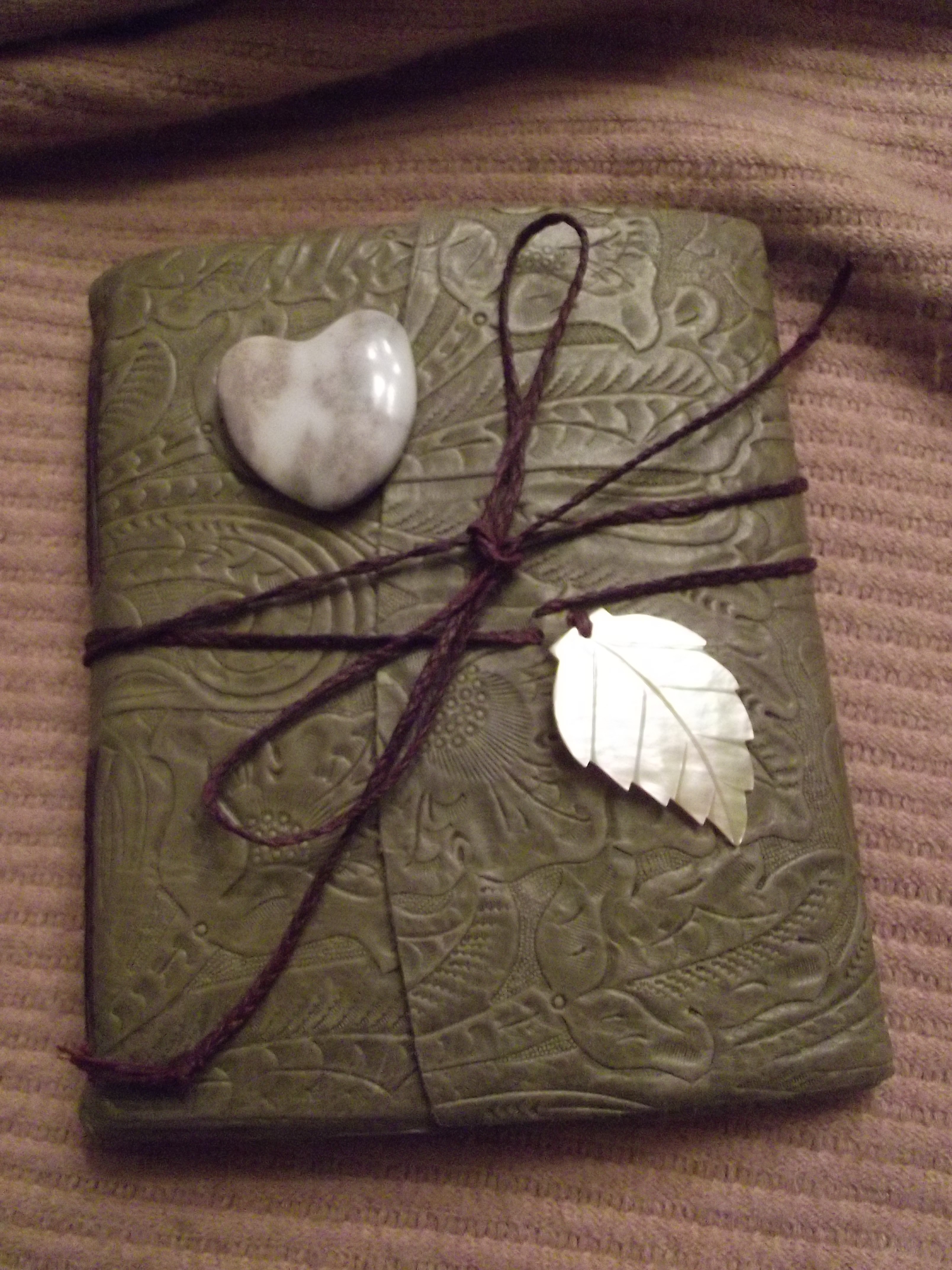
My latest memory stone, a heart shaped stone, was received last week at the end of a 4-day spiritual retreat in California led by Tamara J. Buchan and based on her book, Identity Crisis: Reclaim the True You.  I left there feeling energized and renewed in my purpose and more firmly grounded in my identity in Christ.  (I had multiple revelations that in time may surface in my blog.)

Two of my significant memories stones.

Two of my significant memories stones.

As if to wrap all of these January memory stones together with a bow, this week I had yet another reminder of how special the last few years of my journey have been.  During my dedicated weekly time of prayer at a Catholic Church, I wrote my thoughts on the last page of a beautiful leather bound journal.  My first entry in that journal was in that same church after Rosa’s mother passed away. I have reserved it for my times with God.  The journal in itself is a beautiful memory stone that I will always treasure.

The final words God gave me as I finished this book of prayers and meditations were these:  “Your life used to revolve around the payroll calendar (in reference to my secular job and demotion).  Now your life revolves around Me and the liturgical calendar.”  It was music to my ears as the words flowed from my pen.  For this I am grateful.

So you see, memory stones come in all shapes and sizes.  What they have in common is the memory they hold to encourage you on your journey—to never forget what the Lord has done for you.

What kind of memory stones do you keep and what does it represent to you?

Thanksgiving Beyond America

Ever since working through my 12 steps for my recovery issues eight years ago, I have adopted an attitude of gratitude in my life—not just on Thanksgiving, but every day. One of the things I am most grateful for over the past few years is my relationship with Pedro and his Spanish family. For Thanksgiving (and as a gift for my birthday—also Thanksgiving day), Pedro has agreed to share his Thanksgiving thoughts from the perspective of a Spaniard.

Ardis:  When was the first time you came to America and what was your impression?

Pedro & his parents in New York, 2009

Pedro:  I came to America for the first time in 2009 for Easter. I went with my parents and some friends to New York, and we all had such a good impression of this country. I could not say why, but we all thought exactly the same thing: Europeans and Americans are different, but we have a lot in common.

Ardis:  And then you returned?

Pedro:  Yes, that summer I went to L.A. to spend a month learning English. My visit to L.A. confirmed that my first thoughts about America were true. This is why I decided to return the next year, and I had the good luck to meet the Nelson family: Ardis, Curt, Evan and Cameron.

We spent a wonderful month travelling through Washington State, and sharing our cultures in a wonderful process. In the next year, when I returned, they had an amazing present for my 18th birthday: a recording session in a studio. We shared another wonderful month and we have continued keeping in touch.

Ardis:  Yes, thanks to the internet, keeping in touch has been very easy. Why is studying in America or learning English so important to you?

Pedro:  Now that the world is globalized, it is required for almost every company to know English. In Spain there are hundreds of international companies which use English as their first language. I’m studying Law and Business Administration, so it is especially important for me to have a good English level. This is why I took English classes since I was 8 years old or studying abroad in Ireland, L.A. or Seattle.

One of the best things about studying abroad is the possibility to immerse yourself in another culture. You have a different experience meeting new people, new places…and when you return home, you start perceiving how different everything is. It is a strange feeling.

Ardis:  That sounds exciting Pedro! I can hardly wait to experience that for myself next summer when I visit Spain*. What about life in Spain? Americans hear in the media how bad things are with the economy in Spain and Europe overall. How does that affect you and your daily life?

Pedro:  Things are very bad here in Europe. Spain and Greece have the worse economy of all countries in the world. It is believed that we will not fully recover to our 2008, pre-crisis economy, for many years. Fortunately, I live in an area where the crisis’ impact is not very hard. In my family there are 4 people who lost their jobs. So, while I don’t feel the Spanish economic woes in my daily life, I notice its effect in my environment.

Ardis:  Does Spain celebrate a similar day of giving thanks?

Pedro:  In Spain this day doesn’t exist, but we all know it is good to remember what gifts we have received and their meaning.

Ardis:  Now that you have such strong family connections in America, how would you reflect on this American holiday?

Pedro:  Thanksgiving Day is a very special day where we have to stop from our daily life and look for what things we are thankful for. When I look back because of the Thanksgiving Day, I cannot say anything but how thankful I am. It makes me realize how lucky I am to be born in a wonderful family, to have the possibility to study what I like, to have met the Nelson family…there is a very long list, so I don´t want to bore the reader. This is why I thank God for giving me this wonderful life around wonderful people. I only can suggest that because of this day, everyone should try to be grateful.

Ardis:  Well said, Pedro.  Thank you for sharing your thoughts with America!

Pedro & Ardis in the recording studio, July 2011

I hope you enjoyed this interview with a cross-cultural perspective. I know my life has been enriched and expanded by having a relationship with a family 5,300 miles across the globe.

Last year for my birthday, Pedro wrote me a song.  I also celebrated my first birthday since my mother passed with friends who have prayed for me on my ‘journey to mother love’.  I will leave you with a music video from that day combined with Pedro’s beautiful song, Ardis’s Song (click link). Pedro’s music is just one of the many things I am grateful for.

Happy Birthday to me! Happy Thanksgiving to you!

Give thanks to the Lord, for he is good. His love endures forever. Psalm 136.1 (NIV)

*I did experience the cultural differences, food, places, and people that Pedro referenced in the summer of 2013. To read about my first-hand experiences in Spain, check out Adjusting to Life in Spain or The Spanish Lifestyle.

Using Our Weaknesses

When I started this month of literary abandon, I was nervous I’d embarrass myself and come nowhere near the 50,000 word count that qualifies a NaNoWriMo participant as a winner.   After 11 days, I’ve definitely given up any expectation of writing 50,000 words.  But I haven’t given up the quest.

I am being immersed daily in my memoir, even if I’m not physically writing it.  My mind is on it. I’m pondering the events of my past.  I’m looking for themes in my life and considering which events make the most sense to tie together.  I’m listening to recorded interviews, researching historical information online and talking to family who can help me fill in the gaps.  It’s been a very interesting and healing process.

Coincidences?

For instance, I don’t think it is a coincidence that I am considering medication for my ADD/ADHD after white-knuckling it for so long.  I never would’ve considered taking medication before the healing of my mother wounds.  It was too frightening to me.  In my mind, it was like admitting I was mentally ill.  The stigma was too great.

Times have changed and medicine has advanced tremendously since the time when my mother was given electro convulsive therapy (shock treatment) for her schizophrenia in the 1960s.  Taking medication doesn’t mean defeat or that I am crazy.  Sometimes it is necessary.  I’m finding out how people with schizophrenia and other mental disorders can lead successful careers and make significant contributions to society.  In fact, I recently heard that Bill Gates, George Bush and Steve Arterburn have ADD.  How’s that for good company?

As I pondered these ‘coincidences’ in my life, I sensed God lay a new memoir title on my heart.  It stems from a post I wrote on the “Journeys to Mother Love” blog a few weeks ago, “Emerging from the Cocoon”.  Since the first day when I saw the butterfly on the draft book cover, I knew it was the perfect picture to symbolize my emotional and spiritual transformation.

When We Are Weak…He Is Strong

I’ve given my testimony many times at Celebrate Recovery meetings and spoke openly about my healing journey.  I’m no stranger to sharing my weaknesses and in fact God’s power is made perfect in our weakness (2 Corinthians 12:9).  However, what brought me to my knees and into recovery over eight years ago had nothing to do with my mother wounds.

I never thought I’d be publicly known or speak about my mother’s mental illness.  My shame was too great around it and my fears of my own sanity lied precariously on the edge at times.  But now, I know God wants to use the pain of my mother’s mental illness to help others turn healing into hope.  My biggest fear in my identity has been removed and is the foundation from which I can openly speak and connect with others.  It is the compassion and sensitivity—the transformation of my heart—that leads me to write and pursue more of His amazing grace.

So it is with that sense of gratitude and awe that I am digging into my memoir this month with a new working title, “Emerging from the Cocoon: One Woman’s Struggle to Overcome a Legacy of Mental Illness”.  I’m embracing this new season of life and the wonders that God continues to reveal to me as I boldly follow Him.

What’s the theme of your life?  Is God calling you to use your weakness for His glory?  I’d love to hear your comments.

Living in a State of Overwhelm

I have ADD (Attention Deficit Disorder).  There I’ve said it and I’m not a secret anymore.  Many of my friends have known this for some time and many more have probably suspected it.  I guess you could say I’ve been in denial about it for many years because I never did anything to specifically treat it and I never got educated on it.

What is ironic about this is that I did start to do research on this a few times in the past.  I have the half-read books by the side of my bed to prove it.  And that’s another symptom that I had it.

Why am I finally coming out of denial about it?  The biggest reason is because my son was diagnosed with ADD/ADHD this summer.  Having his diagnosis gave me the wake-up call that I needed to address my own.  So I am educating myself all about ADD and seeing myself in a totally new light.

My son’s diagnosis was confirmed one week after my father died.  It was a bitter pill to swallow.  My father had always been on the lookout for signs of mental illness in me (like my mother had) and told me a few years ago that he didn’t worry about me any longer.  I’m glad this didn’t surface before he died.  I think it would’ve justified his concerns.

Now that I know, I’m going down a painful road of trying to understand how ADD affects my decision making process and my everyday life.  Sometimes I find myself second guessing what I’ve done in the past—why I chose a certain path.  I wonder how much of my behaviors or actions are based on my God-given gifts or talents and how much are driven by my ADD.  I’ll probably never know.

The one thing I know for sure as I live my life with this new perspective, is that I’d be lost without my years of recovery skills and background.  The tools of Celebrate Recovery, a Christian 12-step program, have helped me to cope with undiagnosed and unmedicated ADD. 

Living with ADD often feels like this.

I’m certain that there are many people with undiagnosed ADD who are addicts of some type of obsessive behavior.  It is the way we medicate because we don’t know how to slow down the chaos in our brains.  It makes our character defects loom larger.  It keeps us in a state of overwhelm most of the time.

That’s the place I’ve been for the last week or so.  When I should be joyful about my story being published, I’ve been isolating and in a state of massive overwhelm from the weight of launching into the publicity phase of my book.  I’m trying to understand myself and trying to be a mother to a son who is entering high school with new challenges ahead of him.  I think it would overwhelm anyone, so I need to give myself grace for this next season of the journey.

I know the Lord accomplished some pretty amazing things in me without my even knowing I had ADD.  So now it’s another opportunity for Him to shine in me post-ADD.  I need to learn to let Him—one day at a time, one moment at a time.  And more importantly, I don’t need to let my ADD define me.

Do you feel overwhelmed (with ADD or life in general)?  How are you coping with it?

Saying Goodbye to My Father, Part 2 – Relationship Healing

My father and I had several memorable conversations over the last few years as I tried to prepare myself for his passing.  My parents divorced when I was nine.  My mother, two brothers and me moved 2000 miles away so we could be near my mother’s family.  My contact with my father was very limited after that day.  My husband and I moved back to the Pacific Northwest many years ago and started to have more regular contact with him.  Even as an adult, I still longed for his acceptance and love for me.  I knew I had that as I watched him leave this earth last week.

It was a painful and surreal experience to watch my father pass away before my very eyes.  My mother passed away a year ago.  I had a strong desire to be there when she passed, but it wasn’t meant to be.  I had no such expectations or hopes with my father.  Interestingly enough, the emotional healing I received as a result of my mother’s passing was what I needed to help me prepare for my father’s passing.

It was a long road to this place of peace between us.  I’ve done a lot of emotional and spiritual healing work over the last ten years and am a strong advocate for Christian 12-step programs, like Celebrate Recovery, that helped me to face my brokenness and to forgive.  My relationship with Christ gave me the strength and courage to journey into the painful places that I needed to deal with in order to free myself from the unmet expectations I still carried with me.  In doing so, I learned to love my father as he was—with all of his imperfections.

Except for reading my mother’s eulogy and memorial program from a year ago, my father had not seen any of my writing or knew of my desire to write.  I visited him in February shortly after my first manuscript was accepted by Cladach Publishing in the compilation Journeys to Mother Love.  I feared that he wouldn’t live long enough to see it in print, so I wanted him to know about this story.  Even though it was difficult for him to read or to hold his concentration for very long, he asked to read it.  I was shocked when he sat at the computer with its enlarged print and read the whole story in one sitting.  “Very, very good writing,” he said.  His words were a precious gift.

Last picture with my father, April 2012.

Then a few months later when I needed help with more information for the final edits, he filled in some of the gaps in my memory.  Those edits were accepted in the final proof of the manuscript hours before rushing to be by his side in the hospital at 2 AM.  My story, “Walking My Mother Home,” about the healing I received as I prepared for my mother’s passing, was the topic of our final conversation together.  He agreed to tell my mother “hello” when he got to heaven.  And he agreed to tell her I was ok and that I love her.  I was also able to thank him for his help with the manuscript.

My conversations with my father after that were brief in nature and geared toward his health care.  Our final private time together was in my brother’s home the following day.  He was resting in his new recliner.  I sat at the desk next to him writing his eulogy on my laptop.  Hours later he passed away.

I never did finish writing his eulogy.  In the days that followed his passing, my time was torn between family obligations and other preparations.  I gathered my thoughts though and jotted down some notes.  I trusted that the Holy Spirit would give me the right words to say.

The hours leading up to his memorial, I was stressed with last minute logistics.  I was nervous too.  I’ve spoken at church functions and shared my recovery testimony several times, but except for my husband and my younger brother, my family had never heard me speak.  This was a whole new arena to step out of my comfort zone.

Strangely enough though, as I stood in front of family to share the final reflections that I felt God led me to say about my father and his legacy, I was in total peace.  The healing I received with my mother’s passing the year before made me whole enough to face this new challenge.  God had miraculously connected the timing and significance of these two events.

I know that my true identity is ultimately in Christ.  But for me and the orphaned spirit I often felt throughout my life, I can now see my additional identity as a woman who was uniquely loved by two very different parents, each with their own brokenness and burdens.  They both left me with a legacy of healing.  And for that I am eternally grateful.

Writing: My First Year, Part 1 – Taking the Plunge

When I was in high school, I had dreams of someday being a writer.  I wrote poems, was on the high school newspaper staff, wrote in my diary and wrote other musings that have thankfully long since been destroyed.

My college admissions application listed journalism as my intended major.  My first semester classes were all heavy in writing assignments and my grades suffered for it along with my dreams.

I abruptly changed my major to business administration and accounting with career aspirations of becoming a CPA.  I turned from a creative left-brained career path to a “safe” analytical right-brained one.

Even though my career was spent mostly in the accounting departments of various organizations, I can see that writing played a big part in many of my positions.  At work my writing was very logical and methodical.  Through the years I wrote training materials, documented procedures or wrote detailed system specifications.

Outside of work, my writing was more creative in nature.  I served as the editor of our neighborhood newsletter for a few years.  When I scrapbook, I love to tell the stories behind the photos and not just caption them.  At Christmas time, I take great effort and pride in publishing our annual family newsletter.

Why is this significant?  Because it was one year ago today that I made my desire known to be a writer by vocalizing it in a support group meeting.  I know because I accepted a plastic coin as a marker for this date.  I’ve been carrying it with me ever since and marking each month that passed until today’s anniversary.

Tonight at my own church’s Celebrate Recovery meeting (whose program didn’t exist a year ago), I will get to come forward and celebrate this milestone with other Believers who are working through life’s challenges too.

So how or why is my writing a struggle?  That’s because despite the various writing I did for my jobs, I still don’t have any professional training or credentials to back up my claim to be a writer.  And I certainly didn’t think I was capable of writing for God.

Every chance Satan got along the way he would taunt me by saying “Who do you think you are?” and “You’re not good enough.”  I’ve had to fight those voices in my head and believe what God tells me instead—that I am fearfully and wonderfully made. (Psalm 139:14)

It’s only been since that night that God has reminded me how this was His plan all along.  When I voiced my desire on that night a year ago, I started to believe that I was a writer.  That sudden shift led to a cascading effect of writing related confirmations in my life.

My writing is not something I do for career aspirations or fame and fortune (ask any Christian writer and most will agree).  I write because God has given me a message to share.  It has taken my 12th Step (carrying the message to others) in a totally new direction where I have to rely on Him in even bigger ways.   Like my blog title claims, He is “making me bold”.

The story that led me down this writing path will be published in a book later this summer called “Journeys to Mother Love”.  I’m excited to see how God wants to use it and where my left-brained writing journey will continue to lead me.

Is there someplace in your life that God is making you bold?  Where or how is He calling you to share your story?

  • WELCOME to my site!

    I'm an author, writer, speaker, mentor & mom. I've struggled to find my voice all my life as I lived in the shadows of a mother with mental illness. Thankfully that was not the legacy that she handed down to me. It took a lot of recovery and deep healing work to rise above it.

    I am thankful to God for Making Me Bold in the process. Now I use my writing and speaking voice to help others on their journey to turn healing into hope.

  • Enter your email address to follow this blog and receive notifications of new posts by email.

    Join 337 other subscribers
  • Recent Posts

  • Ardis A Nelson ~ Writer ~ Speaker

  • Most Popular Topics

    12 step adapting to change Celebrate Recovery celebrations Christianity encouragement faithful family following your dreams friendship gifts God God's timing gratitude grieving our losses healing hope identity Journeys to Mother Love leaving a legacy letting go music My Spanish Connection obedience Pedro Gonzalez Arbona prayer publishing relationships Rosa saying goodbye Spain spiritual journey struggle trusting God writing
  • What I Write About

  • Songs Composed by Pedro Gonzalez Arbona

  • Copyright Notice

    © Ardis A. Nelson and MakingMeBold, 2023. Unauthorized use and/or duplication of this material without express and written permission from this blog’s author and/or owner is strictly prohibited. Excerpts and links may be used, provided that full and clear credit is given to Ardis A. Nelson and MakingMeBold with appropriate and specific direction to the original content.